Recipe: Panettone Recipe »
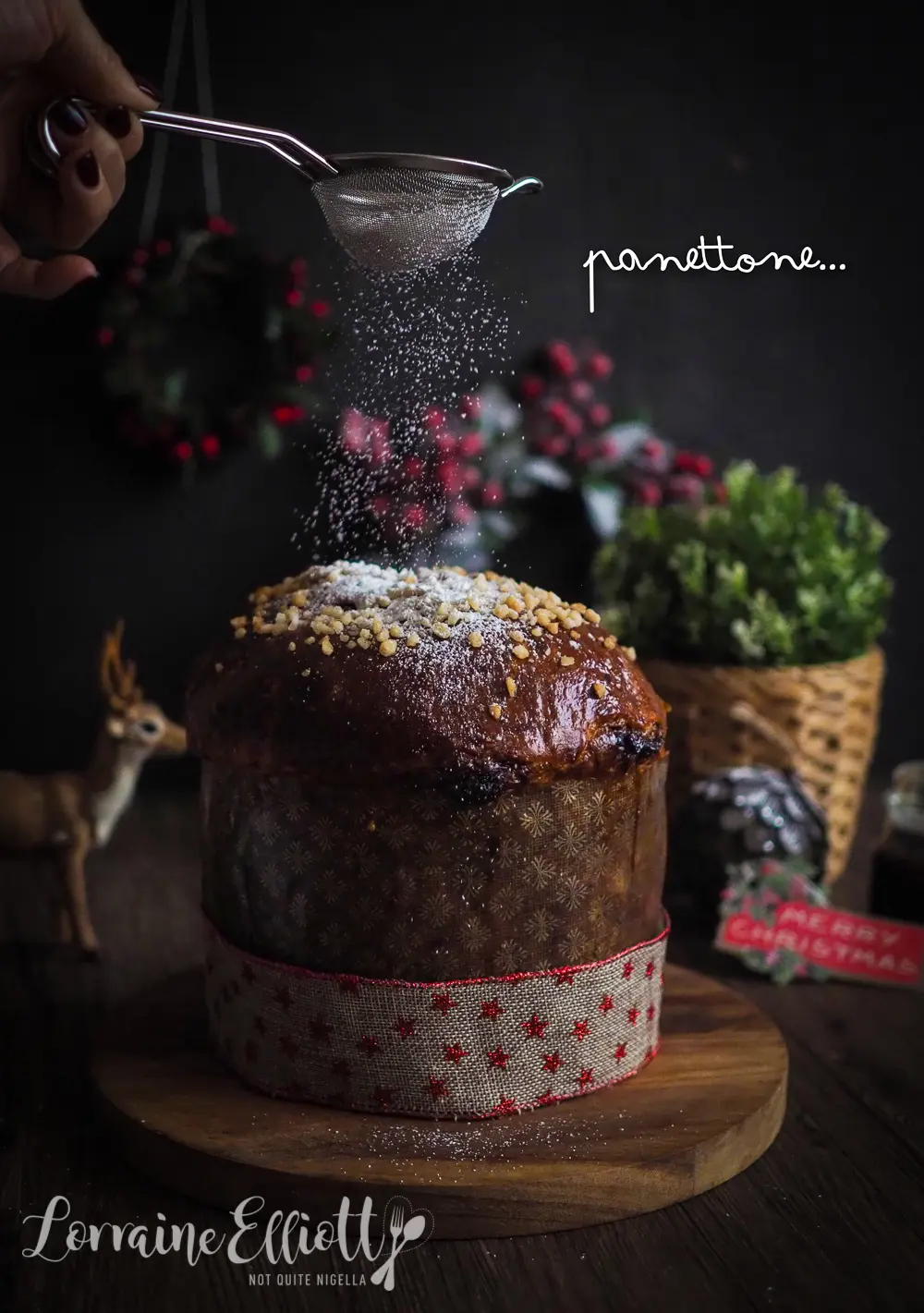
Panettone is the ultimate Christmas accompaniment - an Italian, fruit-studded bread that's gloriously tall and dome-shaped. It hails from Milan and, yes, it can be intimidating, but follow this recipe and you'll end up with a buttery, delicious panettone that might just start an obsession.
Panettone comes from the Italian word paneto which means "small loaf cake" but adding the suffix of "one" changes it to mean large loaf cake. Non-Italians may be wondering what the fuss is all about with panettone. The first time I ever tried one I didn't understand what the big deal was about it as it tasted like stale fruit bread. But when I first tried a good panettone it was like the heavens opened up and I finally saw what everyone was talking about. It wasn't merely a Christmas decoration, it was fluffy, light and buttery as a brioche covered in sugar and studded with fruit.

Price often dictates how you will find a panettone and in Australia, a panettone $50 or above usually gets you the object that starts obsessions. Less than that you'll perhaps be nonplussed and use it for French toast (here are some recipes for leftover panettone).
The process for panettone takes 2-3 days but they're not heavily active days (like say a French Bûche de Noël which should come with anti-anxiety meds). The first is to start the dough and knead the hell out of it and then it sits in the fridge overnight (or for two nights if you want). Then you bake it on the day but then hang it upside down to cool completely overnight. On the third day you feast on it. You can of course eat it on the second day as it will cool within a few hours. If you use sourdough there is an additional process to make the levain and make sure that it's well fed before using it so that adds an extra day.
There have been efforts to obtain Protected Designation of Origin (Denominazione di Origine Controllata – DOC) for the panettone but this has not happened yet. And although it hails from Milan in the Middle Ages, the ingredients for it did not hail originally from the place that it was first prepared. It was a luxurious item for Christmas. In some regions panettone is served with a mascarpone cream or a crema di mascarpone made with mascarpone, sugar and a little candied citron with egg whites used in some recipes.

I was determined that I had to give panettone a go this year. I wanted the challenge as 2020 was not going to control or cower me. I made this attempt a few times, the first turned out more like a fruit bread as I added lots of spices and didn't use the panettone mould as I wanted to see if it could be done.
It was tasty but I knew what I had to do. I used my tangzhong brioche recipe, pretty much to the letter, just adding soaked dried fruit. Panettone recipes are pretty much identical to brioche recipes so it wasn't a crazy change and at least I knew that I'd get a high rise and buttery texture. Italians, please forgive the use of tangzhong, it is merely to extend its life and make sure it us downy soft. And after a month of eating panettone (a food version of My Year of Living Dangerously), I am so excited to share this recipe with you!
I gave some to my home made panettone to my friend Monica, the most passionately Italian person I know and a chef and she messaged me. "Wait, was the panettone you gave me the home made one?". When I told her it was she said, "Oh my god girl that's INSANE. ITS PERFECT. Hun it's legit," which felt like I was being blessed by the pope.

Tips for making panettone at home:
1 . First start with getting a panettone mould. These can be tricky to find but they are stocked at Skorin Deli in Concord who sell paper and metal panettone moulds. I recommend getting the paper mould because that way the panettone can be easily hung upside down after baking. They also sell the mixed peel that you combine with the raisins for the fruit.

2 . You need to use the correct type of flour for this. You want a medium to high protein flour for this which is called "Baker's flour" or "bread and pizza flour". Panettone's height is from the structure that forms when the gluten is worked so you knead the bejeezus out of that dough to create the gluten strands. If you can get a hold of high protein flour (13.5-15%) use that but it is hard to find in Australia so medium protein or 9.5-10.5% protein is often used here.
3 . Panettone is usually made with a sourdough starter but as you may know, I've sworn off sourdough making because I can't keep a starter alive so you can do this with instant dried yeast and it worked well. You can also use a sponge or sourdough and I have found sourdough produces bigger bubbles. I've included sourdough instructions below.
4 . Traditionally the fruit is unsoaked but I soaked mine so that the fruit doesn't dry out the dough by soaking up any moisture.
5 . Baking the panettone for the right amount of time is key. You don't want to over cook it but you also don't want to undercook it. Over time and over many panettone (and I feel like this might become a Christmas tradition for me I loved it so much) you'll get to know your oven as every oven is different. Also the tangzhong helps to keep the moisture in too so that it doesn't dry out.
6 . Hang the panettone upside down when it cools. It sounds kinky but it's not worth skipping this step after you've gone to all the time and trouble. It means that the bread won't collapse into itself and you get that lovely high rise (mine was 20cms/8inches tall).




Reader Comments
Loading comments...Add Comment